
Most spa etiquette comes down to one idea: everyone is there to rest, including the people working. Once you keep that in mind, the unwritten rules make sense. Still, first-timers understandably want the specifics. What do you wear under the sheet? How much should you tip? Is it rude to talk in the steam room?
I've been a licensed massage therapist for more than twelve years, and these are the questions guests ask me most, often in a whisper. Here are straightforward answers, from the moment you book to the moment you leave.
Before You Arrive
Book with the details you'll need
When you book, mention anything that affects your treatment: pregnancy, injuries, allergies, or a preference for a therapist of a particular gender. It's much easier for the spa to accommodate you in advance than at the front desk. If you're choosing between treatments, our guide to types of massage can help.
Prepare simply
- Shower beforehand if you're coming from a workout.
- Skip heavy perfume, since scents linger in shared spaces and treatment rooms.
- Avoid a large meal right before a massage; a light snack is better.
- If you're getting a facial, men may want to shave a few hours ahead rather than right before, to reduce irritation.
- Leave jewelry and valuables at home when you can.
Arrival Time and Checking In
Arrive 15 to 20 minutes before your appointment, and earlier if you plan to use the steam room, sauna, or lounge. This gives you time to check in, fill out intake forms, change, and slow down. Rushing in at the last minute tends to leave you tense for the first part of the treatment.
If you're late, most spas will still see you but will end on time, so your service is shorter. That's not a penalty so much as fairness to the next guest. Call ahead if you're running behind.
Phones, Voices, and the Quiet Atmosphere
Treat the spa like a library. Silence your phone or leave it in your locker. Many spas prohibit phone use in lounges and wet areas entirely, both for quiet and for the privacy of other guests. Photos in locker rooms and changing areas are never acceptable.
Keep conversations brief and soft in shared spaces. If you're visiting with a friend, save the full catch-up for lunch afterward.
What to Wear, and What Not to Wear
In the locker room and lounges
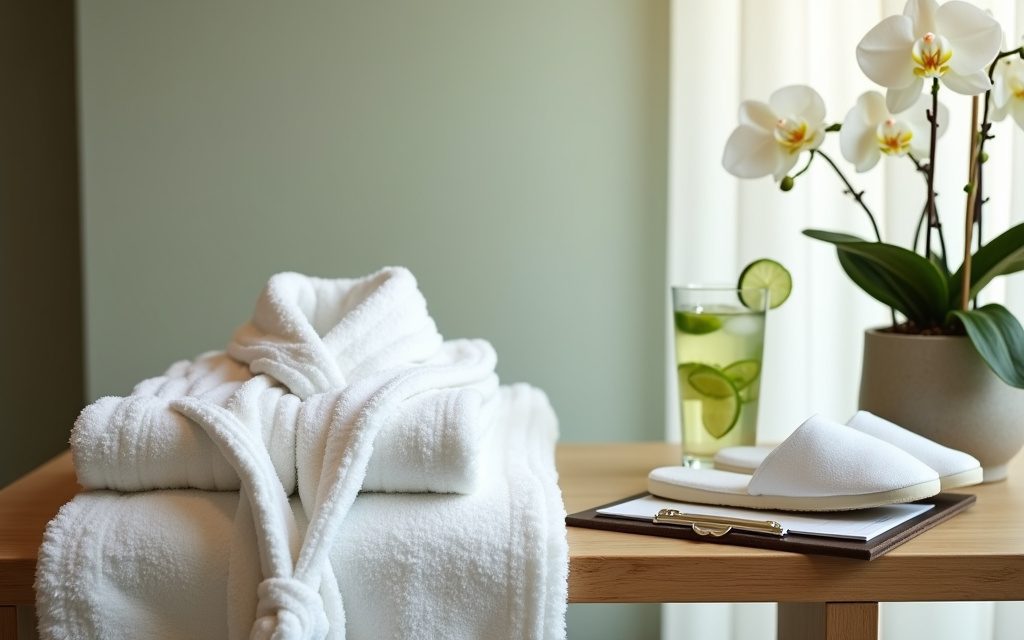
You'll typically be given a robe and sandals. Wear the sandals in wet areas and between rooms. Under the robe, you can wear a swimsuit, underwear, or nothing, depending on the spa's rules and your comfort. If you plan to use a hot tub or co-ed pool, bring a swimsuit; nudity in shared areas is only acceptable where the spa specifically allows it, as in some single-gender bathhouses.
On the treatment table
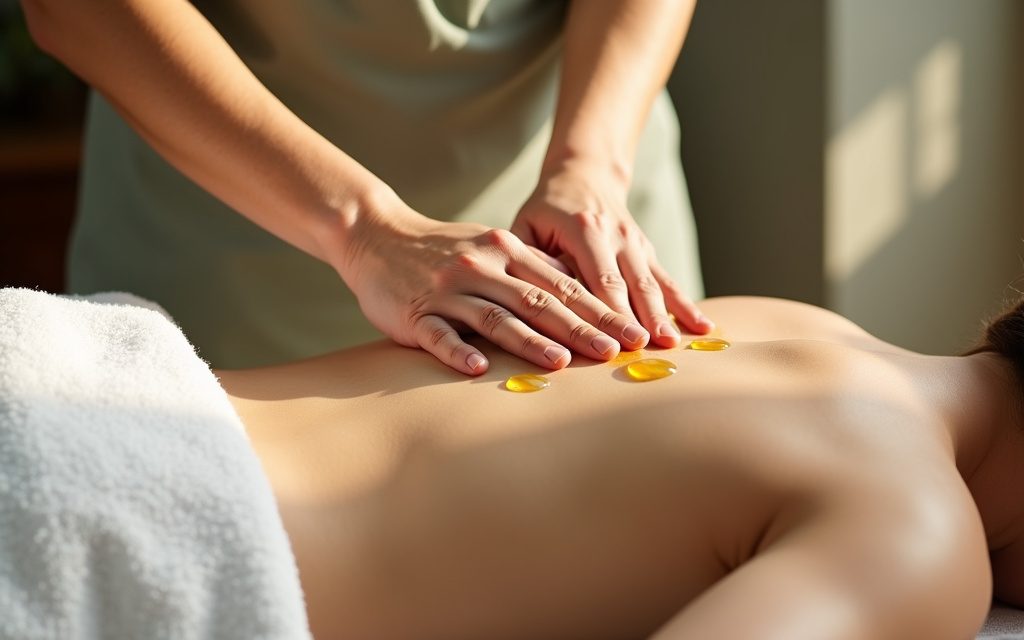
For massages and body treatments, undress to your comfort level. Keeping underwear on is completely fine, and therapists are trained to work around it. You'll be covered by a sheet, a practice called draping, and only the area being worked on is uncovered. Your therapist leaves the room while you undress and get on the table, and knocks before coming back in.
For facials, you'll usually remove your top and lie under a sheet or wrap, or wear a spa top that leaves your shoulders bare. Remove necklaces and earrings beforehand.
Your comfort sets the rules. Professional draping is standard practice in licensed US spas. If anything about draping or touch makes you uncomfortable, you can ask the therapist to adjust or stop at any time.
Communicating During Your Treatment
Talking during a massage is up to you. Some guests like to chat; many prefer silence. Either is fine, and your therapist will follow your lead. What you should always speak up about:
- Pressure that's too firm or too light
- Room temperature, music volume, or lighting
- Any pain, numbness, or discomfort from positioning
- Areas you'd like extra focus on, or would prefer skipped
A small note on a question people are too embarrassed to ask: stomach gurgling, falling asleep, snoring, and minor involuntary reactions are all completely normal. Therapists see them daily and don't think twice about them.
Shared Spaces: Steam Rooms, Saunas, and Hot Tubs
Shared wet areas have their own etiquette:
- Shower first. Rinse off before entering a hot tub, pool, or steam room.
- Sit on a towel in the sauna, both for hygiene and comfort.
- Keep voices low and conversations short.
- Don't hog space. If the room is crowded, keep your session brief.
- No shaving, exfoliating, or applying products in shared heat rooms unless the spa allows it.
- Follow posted time limits. Typical guidance is 10 to 15 minutes at a time in steam or sauna, followed by a cool-down and water.
Heat isn't suitable for everyone. If you're pregnant, have heart problems, or have blood pressure concerns, check with your doctor before using saunas, steam rooms, or hot tubs. Our article on sauna and hydrotherapy benefits covers heat safety in more detail.
Tipping at US Spas
Tipping is expected at most US day spas and resort spas. The typical range is 15 to 20 percent of the full, undiscounted price of the service, and some guests tip more for exceptional work.
- Check for a service charge first. Many resort and hotel spas automatically add a service charge, often in a similar range. If one is included, an additional tip is optional.
- Tip on the original price if you're using a gift card, discount, or package.
- Tip each provider if you had multiple services with different people. Many spas provide envelopes or let you add tips per provider at checkout.
- Medical settings are different. Tipping is generally not expected at medical spas or for clinical treatments like physical therapy.
If a service genuinely went badly, it's better to speak with the manager than to silently leave no tip. That gives the spa a chance to address the problem.
Cancellations and Coming In Sick
Read the cancellation policy when you book. Most spas require 24 to 48 hours' notice to avoid a fee, since a last-minute cancellation usually means an empty treatment room and lost income for the therapist.
That said, please reschedule if you're sick. Coming in with a fever, cold, stomach bug, or contagious skin condition puts your therapist and other guests at risk, and many treatments can make you feel worse when you're unwell. Most spas will be flexible about illness if you call as early as possible. The same applies if you have a sunburn, a new rash, or a fresh cosmetic procedure; check with the spa about whether your treatment should wait.
After Your Treatment
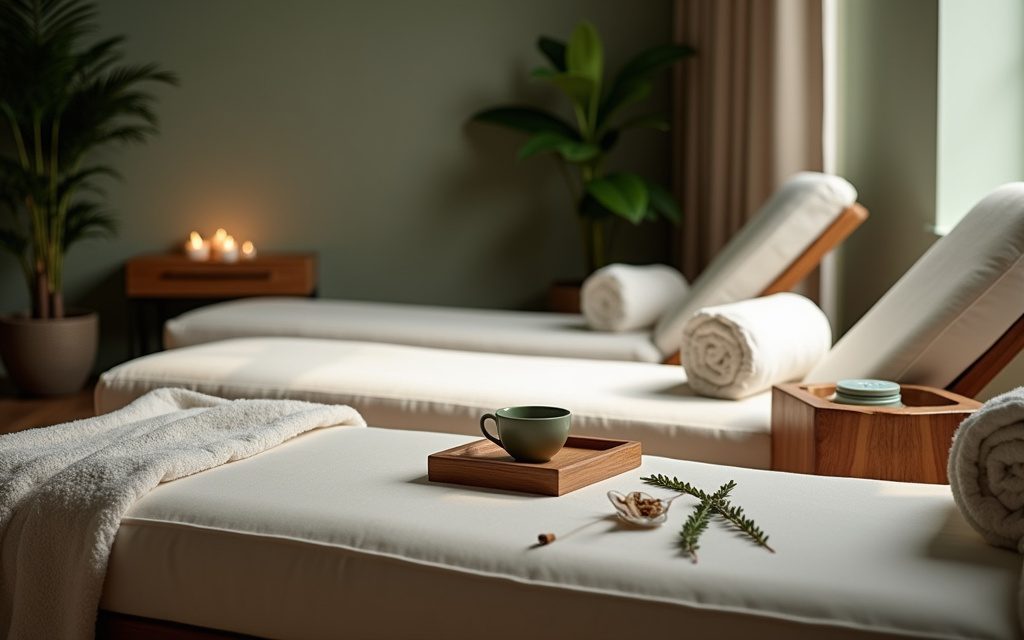
Get up slowly, take your time dressing, and drink some water. If you're using the lounge afterward, keep your voice low for those still relaxing. Before you leave, it's a kind gesture to thank your therapist and, if you enjoyed the service, to rebook or leave a review mentioning them by name. For more first-visit guidance, our spa and wellness beginner's guide walks through the full experience.
Frequently Asked Questions
How much should I tip for a massage in the US?
The usual range is 15 to 20 percent of the full service price. Check your bill first, since many resort spas add an automatic service charge.
Do I have to take off my underwear for a massage?
No. Undress only to your comfort level. Therapists work around underwear routinely, and you'll be covered by a sheet throughout the massage.
Is it okay to talk during a massage?
Yes, if you'd like to. Many people prefer silence, and both are fine. Always speak up about pressure, temperature, or discomfort.
Should I cancel my spa appointment if I have a cold?
Yes. Rescheduling protects your therapist and other guests, and treatments can feel unpleasant when you're unwell. Call as early as you can; many spas are flexible about illness.
Can I bring my phone into the spa?
Most spas ask you to silence phones and keep them out of lounges, wet areas, and locker rooms. Photos in changing areas are never acceptable.