
Two day spas can look almost identical online: the same soft-focus photos, the same menu of massages and facials, similar prices. Walk inside, though, and the differences show up quickly, in how clean the rooms are, how well the staff listen, and whether anyone asks about your health before a treatment starts.
I've worked as a licensed esthetician in several spa settings and have visited many more as a guest and reviewer. The checklist below is what I use myself. None of it requires insider knowledge. It just requires knowing what to look for, ideally before you've paid a deposit.
Start With Your Goals
Before comparing spas, decide what you actually want. A quiet solo massage, a full day using a thermal circuit, a skincare treatment for a specific concern, and a celebratory outing with friends call for different kinds of places. If you're new to all of this, our spa and wellness beginner's guide explains the main spa types and good first treatments.
With your goal in mind, work through these twelve checks.
Credentials and Safety
1. Licensed practitioners
In most US states, massage therapists, estheticians, and cosmetologists must hold a state license. Requirements vary, but licensing generally means the practitioner completed approved training and passed an exam. Many states offer an online license lookup through their professional licensing board. It's reasonable to ask the spa, "Are all your therapists and estheticians licensed in this state?" A confident yes is what you want to hear.
2. Clear scope of practice
Be cautious if a day spa advertises treatments that sound medical, such as injectables or strong laser procedures, without explaining who performs them and under what medical oversight. Those services belong in a properly supervised medical setting, and the rules depend on your state.
3. A real health intake
A trustworthy spa asks about your health before touching you: medications, allergies, pregnancy, skin conditions, recent procedures, and areas to avoid. For skin treatments, they should ask about retinoids, acne medications, and recent sun exposure. A spa that skips this step is skipping part of its job.
Hygiene and Facilities
4. Visible cleanliness
Look at the places guests don't usually notice: corners of the locker room, the edges of the steam room, the pedicure tubs. Linens should be fresh for every client. Tools should be disinfected or single-use, and implements like extractors should come out of sealed pouches or a closed disinfection container, not a drawer.
5. Well-maintained wet areas
If you'll use a hot tub, steam room, or sauna, notice whether the water looks clear, the air smells clean rather than musty, and posted rules include time limits and health warnings. A spa that takes wet areas seriously usually takes the rest seriously too. For more on safe heat use, see our guide to sauna and hydrotherapy benefits.
6. Comfortable, private treatment rooms
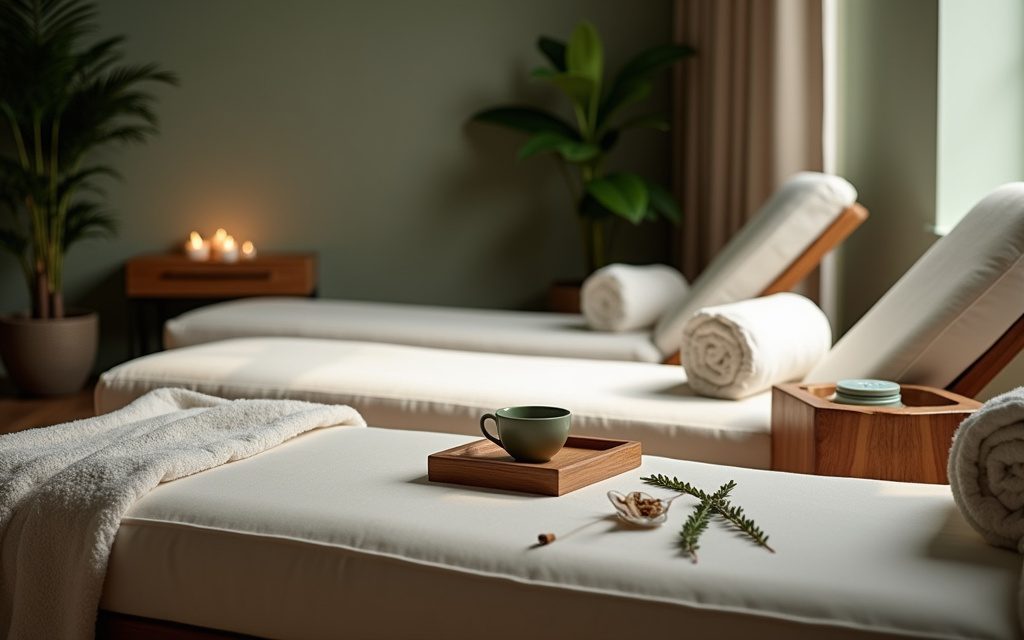
Rooms should be quiet, warm, and private, with a lockable or clearly closed door and a place for your belongings. You shouldn't hear conversations from the front desk while you're on the table.
Menu, Pricing, and Policies
7. A menu that's easy to understand
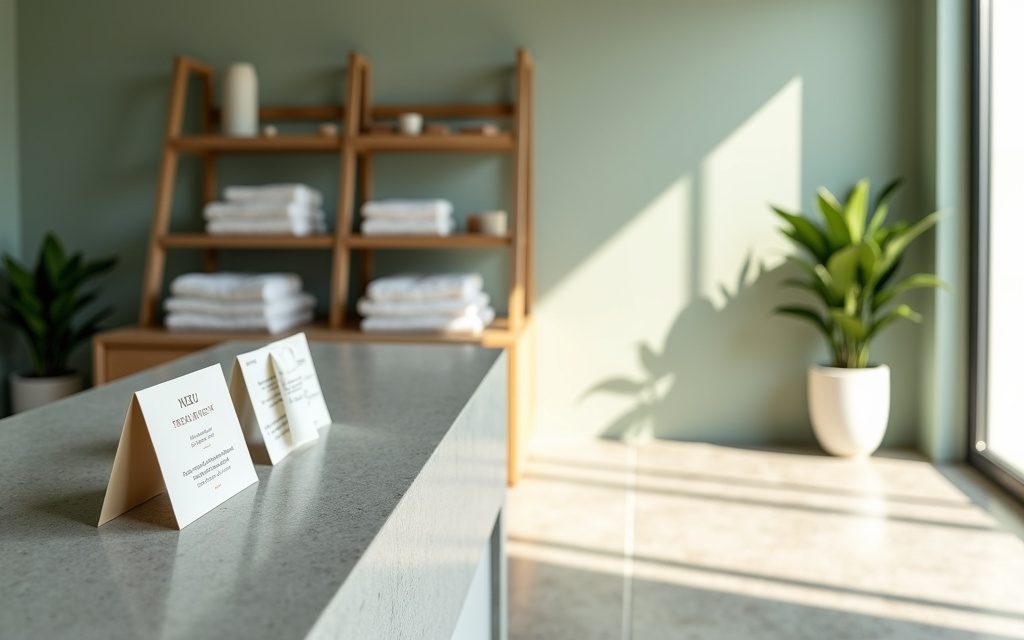
A good menu tells you what each service includes, how long the hands-on time is, and whether add-ons cost extra. Vague descriptions such as "a transformative journey" with no detail about technique or products make it hard to know what you're paying for. If you're unsure what separates a Swedish from a deep tissue massage, our explainer on types of massage can help you read between the lines.
8. Transparent pricing and gratuity
Prices should be listed up front, including any facility fees, and the spa should tell you whether a service charge or gratuity is automatically added. Surprise charges at checkout are a common complaint in reviews and a sign of sloppy communication.
9. Fair cancellation and late policies
Most spas require 24 to 48 hours' notice to cancel without a fee, and many shorten your treatment if you arrive late so the next guest isn't delayed. That's normal. What you want is a policy that's clearly written and shared before you book, not discovered on your credit card statement.
Reviews and Reputation
10. Patterns in reviews, not individual stars
Read a spread of recent reviews, including the critical ones. A single angry review means little. A pattern means a lot: repeated mentions of rushed treatments, uncomfortable rooms, pushy retail sales, or staff not honoring pressure requests. Pay attention to how the spa responds. Polite, specific replies that address the problem are a good sign; defensive or copy-pasted responses are not.
11. Knowledgeable, unhurried staff
Call with a question before booking. Ask something specific, such as "I have sensitive, rosacea-prone skin; which facial would you recommend?" A good front desk will either answer knowledgeably or offer to connect you with an esthetician. If they simply push the most expensive option, take note.
The Consultation Test
12. A proper consultation before treatment
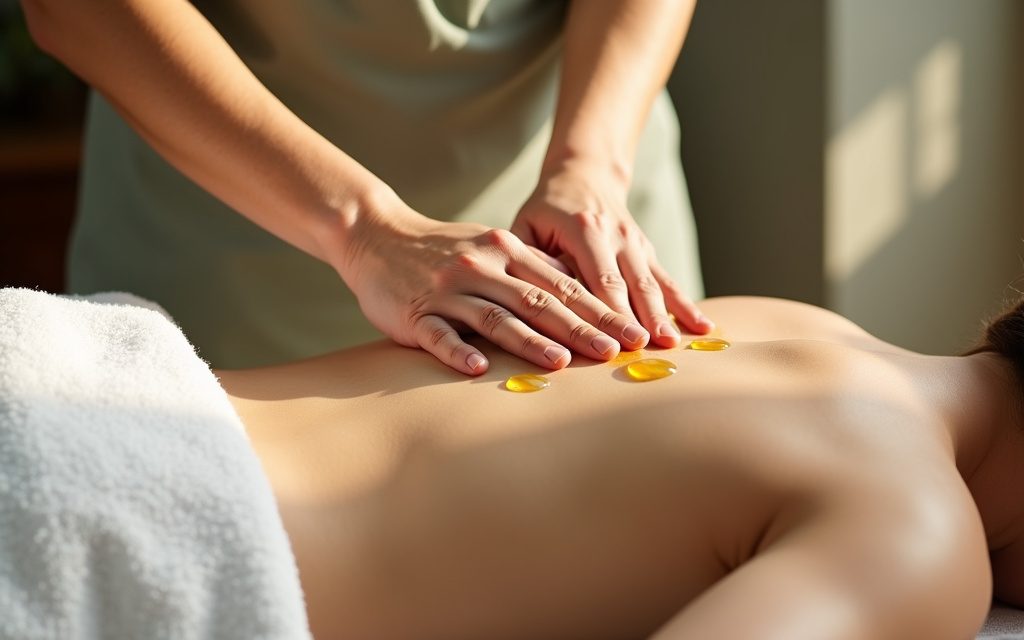
This is the check that matters most, and you can only do it once you're there. Before a massage, your therapist should review your intake form and ask about your goals and pressure preferences. Before a facial, your esthetician should look at your skin, ask about your routine, and explain what they plan to do. If you're not sure which facial suits you, our guide to facials by skin type will help you ask better questions.
Throughout the treatment, they should check in periodically and respond when you ask for a change. Afterward, a good practitioner offers practical aftercare advice. A gentle product recommendation is fine; a hard sell is not.
Red Flags That Mean Walk Away
- No health intake or consultation of any kind
- Reused, unwrapped, or visibly dirty tools and linens
- Staff who dismiss your requests to change pressure, skip an area, or stop
- Pressure to buy packages, memberships, or products before you've even had a treatment
- Medical-sounding claims that a treatment will cure a condition, detox your organs, or melt fat
- Any behavior that makes you feel unsafe, including inappropriate draping or comments
You can always stop. You are allowed to end any treatment at any time, for any reason. If something feels wrong, say so, get dressed, and leave. You can report serious concerns about a licensed practitioner to your state's licensing board.
Putting the Checklist to Work
You don't need a perfect score on every item. A small neighborhood spa may not have a steam room or a glossy website, and that's fine. What matters most are the fundamentals: licensed staff, visible hygiene, honest communication, and a real consultation. If a spa passes those, book a single, simple service first. Treat it as a trial. If the experience feels calm, clean, and attentive, you've likely found a place worth returning to.
One final tip: keep brief notes after each visit, including who treated you, what you had, and how you felt the next day. Over time, those notes make it much easier to rebook the therapist or esthetician who suits you best.
Frequently Asked Questions
How can I check if a massage therapist or esthetician is licensed?
Many US states offer an online license lookup through their professional licensing board. You can also simply ask the spa; reputable businesses are happy to confirm their staff's credentials.
What is a normal day spa cancellation policy?
Most day spas ask for 24 to 48 hours' notice to cancel without a fee. Policies vary, so read them before booking, especially for packages or group reservations.
Is it a red flag if a spa doesn't ask about my health?
Yes. A health intake helps practitioners avoid treatments that could be unsafe for you, such as heat during pregnancy or exfoliation while using certain skin medications.
Are expensive spas always better?
Not necessarily. Higher prices often reflect location and amenities rather than treatment quality. Licensing, hygiene, and a thorough consultation matter more than decor.