
Heat and water have been used for rest and recovery across many cultures for centuries, from Finnish saunas to Turkish hammams to Japanese hot springs. Today, sauna and hydrotherapy sit at the center of nearly every spa and wellness menu, and they are also surrounded by some of the boldest marketing claims in the industry. Detox, fat burning, immune boosting: you will hear all of it.
As a licensed massage therapist, I recommend heat and water work to clients regularly, and I use it myself. But I also think people deserve a clear picture of what the evidence supports, what it does not, and who should be careful. This guide covers the main types, what research suggests about benefits, how to time a session, and when to talk with your doctor first.
What Counts as Hydrotherapy?
Hydrotherapy simply means using water, at different temperatures and in different forms, for comfort or recovery. In a spa setting that usually includes:
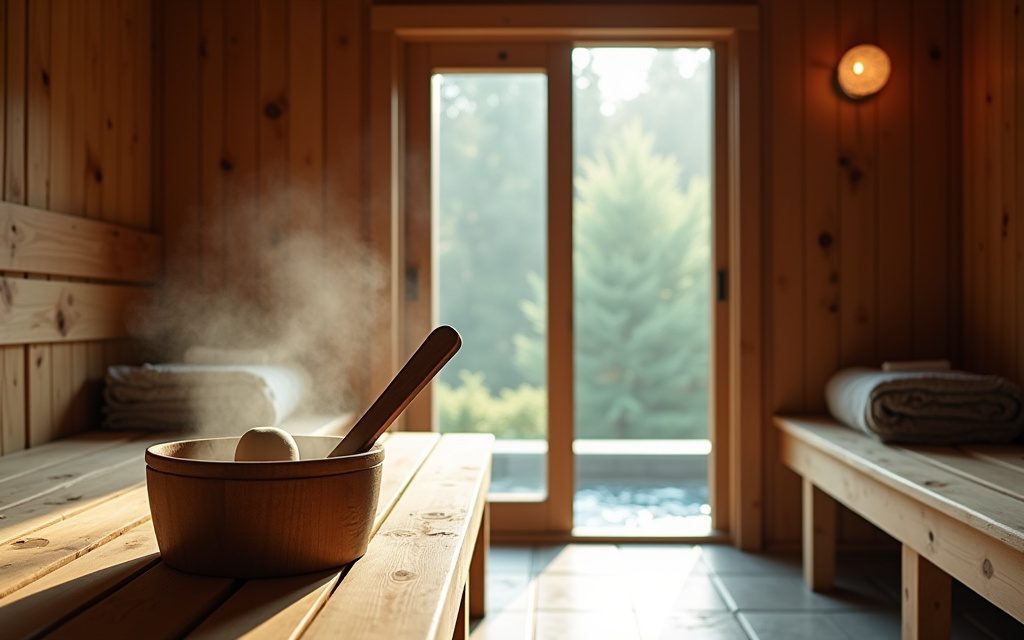
- Dry saunas (traditional or Finnish): wood-lined rooms heated by a stove, usually with low humidity that briefly rises when water is poured on the stones.
- Infrared saunas: cabins that use infrared panels to warm the body more directly at lower air temperatures.
- Steam rooms: lower temperature than a sauna but close to full humidity.
- Hot tubs and whirlpools: warm water immersion, often with jets.
- Cold plunges and cold showers: brief immersion in cold water.
- Contrast therapy: alternating hot and cold exposure.
Comparing the Main Types
Typical ranges vary by facility, so treat these as general orientation rather than rules.
| Type | How it feels | Typical session | Best for | Main cautions |
|---|---|---|---|---|
| Traditional dry sauna | Very hot air, dry heat with bursts of humidity | 10 to 20 minutes | Deep relaxation, post-workout wind-down | Dehydration, lightheadedness, heart and blood pressure concerns |
| Infrared sauna | Gentler air temperature, warmth builds from within | 15 to 30 minutes | People who find traditional saunas too intense | Same core cautions; follow the facility's time limits |
| Steam room | Moist, enveloping heat | 10 to 15 minutes | Those who dislike dry air; comfort for stuffy noses | Can feel harder to breathe; hygiene matters |
| Hot tub | Buoyant, warm immersion | 10 to 15 minutes | Muscle comfort, gentle relaxation | Overheating, pregnancy, water quality |
| Cold plunge | Sharp, bracing cold | 30 seconds to a few minutes | Feeling alert, subjective recovery | Cold shock, heart conditions, never plunge alone |
What the Research Suggests
The research on sauna and hydrotherapy is growing, but much of it is observational, meaning it shows associations rather than cause and effect. People who sauna often may also have other healthy habits. With that caveat, here is a fair summary.
Cardiovascular health
Large observational studies, particularly from Finland where sauna use is part of everyday life, have linked regular sauna bathing with lower rates of cardiovascular problems. Heat exposure raises heart rate and widens blood vessels in ways that some researchers compare to light exercise. That is promising, but it does not mean sauna replaces exercise, and it does not mean sauna is safe for everyone with heart disease. It means the topic is worth more study.
Relaxation and mood
This is where the evidence and everyday experience line up most comfortably. Warmth, quiet, and time away from screens help many people feel calmer. Some small studies suggest heat exposure may have a positive effect on mood, though results are preliminary. Even without firm data, most people report feeling relaxed afterward, and that is a legitimate reason to enjoy it.
Muscle soreness and recovery
Warm water immersion and heat can ease the feeling of stiffness, which is why I often suggest a warm soak before a deep tissue session or after hard training. Cold water immersion has been studied as a recovery tool, and research suggests it may reduce the perception of soreness after intense exercise. There is also some evidence that frequent cold immersion right after strength training might blunt some muscle-building adaptations, so athletes focused on strength gains may want to time it carefully.
Sleep
Many people sleep better after an evening bath or sauna. One likely reason is that the body's core temperature drops afterward, which is part of the natural signal for sleep. The effect is modest and varies from person to person, but a warm soak an hour or two before bed is a reasonable, low-risk experiment.
Claims to Take With Caution
- "Sweating out toxins": Your liver and kidneys handle detoxification. Sweat is mostly water and salt; there is little evidence sauna meaningfully removes toxins.
- Weight loss: Any weight lost in a sauna is water, and it returns as soon as you rehydrate.
- Immune boosting: A few studies have explored this, but the evidence is not strong enough to make firm claims.
- Cold plunges as a cure-all: Brief cold exposure can feel invigorating, but claims about dramatic metabolic or immune effects outpace the research.
When a spa menu promises something that sounds medical, ask what it is based on. Our guide on how to choose a day spa covers the questions worth asking.
Who Should Check With a Doctor First
Talk with your healthcare provider before using saunas, hot tubs, steam rooms, or cold plunges if you: are pregnant or trying to conceive; have heart disease, a history of heart attack, or an irregular heartbeat; have high or low blood pressure or are prone to fainting; have diabetes or nerve damage that affects temperature sensation; have epilepsy; are recovering from surgery or illness; or take medications that affect blood pressure, heart rate, sweating, or alertness. This article is general information, not medical advice.
A few other hard rules: do not use heat or cold therapy after drinking alcohol, do not use it when you feel unwell or feverish, and do not let children use saunas or hot tubs without guidance on safe limits. Cold plunges should never be done alone, and anyone with a heart condition should avoid them unless cleared by a physician.
How to Time a Session
For most healthy adults at a spa, a simple structure works well:
- Arrive hydrated. Drink a glass of water before you start.
- Shower first. It is good hygiene and standard etiquette. Our spa etiquette guide covers what else to expect.
- Heat for 10 to 15 minutes. Start on a lower bench if you are new; heat rises. Leave sooner if you feel dizzy, nauseated, or uncomfortable.
- Cool down. A lukewarm or cool shower for a minute or two, or a brief cold plunge if you are experienced and have no contraindications.
- Rest for 10 minutes or more. Sit or lie down and let your heart rate settle. Drink water.
- Repeat once or twice at most. More rounds do not mean more benefit.
Hydration and electrolytes
You can lose a surprising amount of fluid in a hot room. Sip water between rounds and afterward. After long or repeated sessions, a snack with a bit of salt or an electrolyte drink can help you feel steady.
Pairing with massage
I generally suggest heat before a massage rather than after. Warm muscles tend to respond well to hands-on work, and you avoid the dehydrated, foggy feeling some people get from a long sauna right after deep tissue. If you are deciding which style to book, see our overview of types of massage.
Bringing It Home
You do not need a home sauna to benefit from heat and water. A warm bath in the evening, a steamy shower, or finishing your shower with 30 seconds of cool water can offer a gentle version of the same experience. Keep the same cautions in mind, particularly around water temperature and any health conditions. Listen to your body; it gives clear signals when it has had enough.
Frequently Asked Questions
Is infrared sauna better than a traditional sauna?
Neither is clearly better. Infrared saunas run at lower air temperatures, which some people find more comfortable, while much of the long-term observational research involves traditional saunas. Choose the one you enjoy and can use safely.
How long should I stay in a sauna?
For most healthy adults, 10 to 20 minutes per round is typical, followed by cooling and rest. Beginners should start with shorter sessions and leave immediately if they feel dizzy, nauseated, or unwell.
Can I use a sauna or hot tub while pregnant?
Raising core body temperature during pregnancy may carry risks, so most guidance advises caution or avoidance. Talk with your obstetrician or midwife before using any heat therapy.
Do cold plunges help with recovery?
Research suggests cold immersion may reduce how sore you feel after hard exercise. However, frequent use right after strength training might reduce some training adaptations, and cold shock can be dangerous for people with heart conditions.
Does sauna detox the body?
Not in any meaningful way that current evidence supports. Your liver and kidneys handle detoxification. Enjoy a sauna for relaxation and comfort rather than for detox claims.