
Your first spa appointment can feel oddly intimidating. There are unfamiliar treatment names, questions about what to wear (or not wear), and a quiet worry that everyone else knows rules you don't. After more than twelve years working as a licensed massage therapist, I can tell you that nearly every first-time guest walks in with the same questions, and none of them are silly.
This guide walks you through the whole process in the order you'll actually experience it: understanding what kind of spa fits your goals, choosing a first treatment, booking, filling out intake forms, what happens in the treatment room, and how to carry the benefits home. Think of it as the orientation most spas don't have time to give you.
What a Spa and Wellness Experience Actually Includes
At its simplest, a spa is a place where trained professionals provide treatments meant to help you relax, care for your skin and body, and recover from everyday stress. The broader spa and wellness world has grown to include movement classes, heat and water circuits, breathwork, nutrition coaching, and quiet spaces designed simply for rest.
Most visits combine two things: a hands-on service such as a massage, facial, or body treatment, and time in the facility, which might mean a relaxation lounge, a steam room, a sauna, or a hot tub. Some spas give you access to these amenities for the whole day with any booked service; others charge separately or offer only treatment rooms. Asking what's included before you book helps you plan how much time to set aside.
It's worth being clear about what a spa is not. Unless you're at a medically supervised facility, spa staff are not diagnosing or treating medical conditions. A good massage or facial can feel restorative and may help with muscle tension or skin comfort, but it complements, rather than replaces, care from your doctor. Our health disclaimer explains this in more detail.
Types of Spas and Which One Fits You
The word "spa" covers a wide range of businesses. Knowing the main categories helps you match a place to your budget and goals.
Day Spas
Day spas are the most common type in the US. You book one or more services, arrive shortly before your appointment, and leave the same day. Amenities vary widely, from a single treatment room to full locker rooms with steam and sauna. For most beginners, a well-run day spa is the easiest starting point. Our guide on how to choose a day spa covers what to check before you commit.
Resort and Hotel Spas
These are attached to hotels or resorts and often have larger facilities: pools, thermal circuits, fitness studios, and lounges. Prices typically run higher, and they may be busier on weekends when hotel guests are in-house. Many allow local visitors to book, sometimes with a facility fee.
Medical Spas
Medical spas (often called med spas) offer cosmetic procedures such as injectables, laser treatments, and chemical peels under the oversight of a licensed medical professional. Regulations differ by state. If you're considering a med spa, confirm who is performing the procedure and what their license allows.
Destination Spas and Wellness Retreats
Destination spas are places you stay for several days specifically for a structured wellness program, with meals, classes, and treatments bundled together. They're a bigger commitment of time and money and tend to suit people who already know they enjoy spa experiences.
Wellness Centers and Bathhouses
Wellness centers may focus on services like float tanks, infrared saunas, or cold plunges. Bathhouses, including traditional Korean, Turkish, and Russian-style facilities, center on communal heat and water rituals, often at a lower price point than a full-service spa. They're a great way to explore heat therapy at a relaxed pace.
Choosing Your First Treatment
For a first visit, I usually recommend one service of 50 to 60 minutes. That's long enough to settle in and short enough that you won't feel trapped if something isn't to your liking.
- Swedish or relaxation massage: The classic starting point. Pressure is light to medium, strokes are long and flowing, and the goal is general relaxation. If you're curious about other styles, see our breakdown of types of massage.
- Classic facial: A cleanse, gentle exfoliation, extractions if needed, a mask, and moisturizer, usually with a short neck and shoulder massage. Good if you'd rather stay mostly clothed.
- Body scrub or wrap: An exfoliating or hydrating treatment for the skin on your body. It feels indulgent, though it involves more undressing than a facial.
- Manicure or pedicure: A low-pressure introduction to the spa environment if you're nervous about bodywork.
Skip the add-on menu the first time unless something genuinely appeals to you. You'll learn more about your preferences from one simple, well-delivered service than from a stacked package.
How to Book Without Surprises
Most spas take bookings online or by phone. Phone booking is worth it for a first visit because you can ask questions. Useful things to ask:
- Is the listed time the full treatment time, or does it include consultation and dressing?
- Are facility amenities (steam, sauna, lounge) included, and how early can I arrive to use them?
- Is gratuity included or added automatically?
- What is the cancellation policy, and how much notice is required?
- Can I request a therapist of a particular gender, if that matters to me?
Prices vary a great deal by market. A standard 60-minute massage at a day spa in many US cities typically falls somewhere in the range of $90 to $180 before tip, with resort spas often higher. Treat any figure as a rough guide and check the menu of the specific spa.
Intake Forms and Health Disclosures
Almost every reputable spa will ask you to fill out an intake or health history form. This isn't paperwork for its own sake. Your therapist or esthetician uses it to decide what's safe and appropriate for you.
Be honest and specific. Things that commonly change how a treatment is performed include:
- Pregnancy (many spas require you to be past the first trimester for massage and use specific positioning)
- High or low blood pressure, heart conditions, or circulatory issues
- Recent surgery, injuries, or areas of pain
- Skin conditions, allergies, and current skincare medications such as retinoids
- Diabetes, blood-thinning medications, or conditions affecting sensation
Safety note: If you're pregnant, managing a heart condition, or have a condition you're unsure about, check with your doctor before booking heat treatments or deep bodywork. A good spa will respect a note from your provider and adjust accordingly.
What Happens During Your Visit
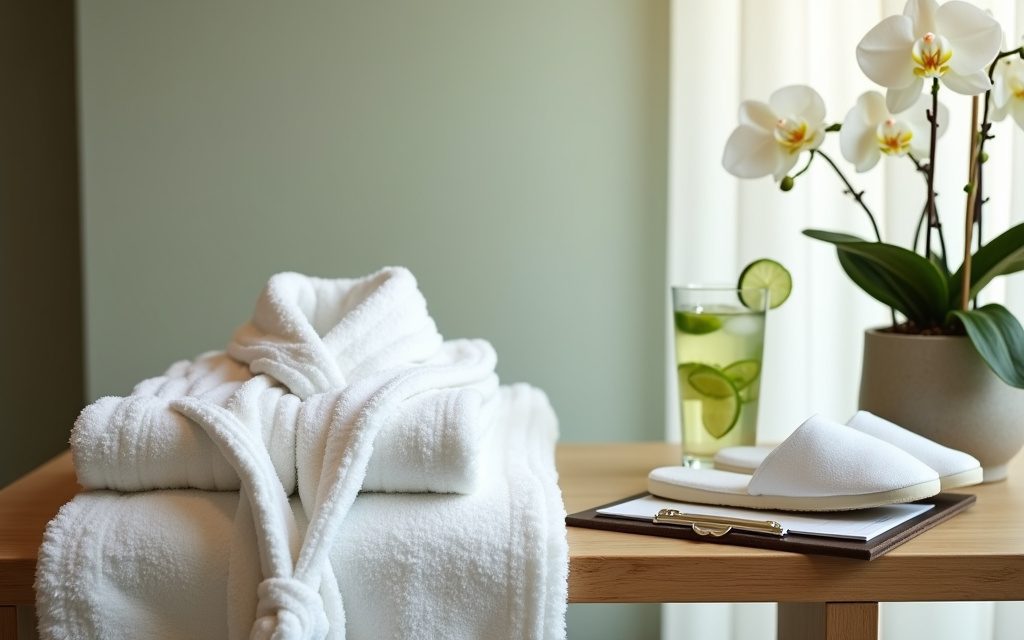
Arrive 15 to 20 minutes early. You'll check in, finish any paperwork, and usually be shown to a locker room or changing area where you'll find a robe and sandals. Some guests like to shower first; it's welcome but rarely required.
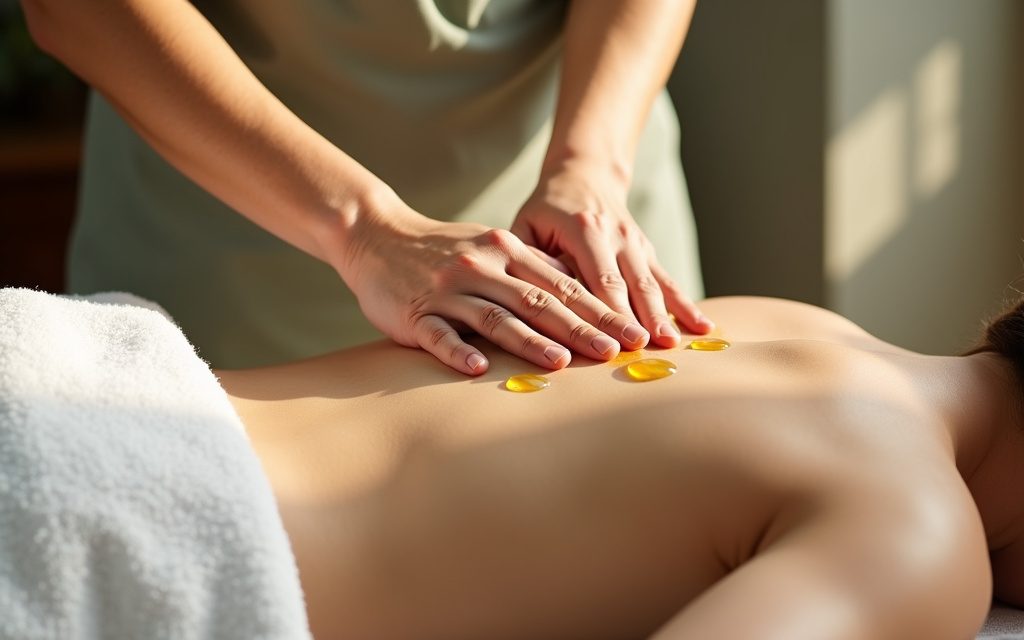
Your therapist will greet you, review your form, and ask what you'd like to focus on. Then they'll leave the room while you undress to your comfort level and get onto the table under the sheet. You stay covered the whole time, and only the area being worked on is uncovered. Underwear on is completely fine. For the full rundown on what to wear and other norms, read our spa etiquette guide.
Communicating With Your Therapist
This is the single most important skill for a good spa experience, and beginners often underuse it. Your therapist wants feedback. Speak up if:
- The pressure is too deep or too light
- The room is too warm or cold, or the music is distracting
- Something hurts in a way that feels sharp rather than satisfying
- You'd like them to skip an area, such as your feet or face
- You'd prefer quiet, or you'd like to chat
A short sentence like "a little lighter, please" is all it takes. You won't offend anyone, and you'll get a better treatment.
Aftercare: Making the Benefits Last
How you spend the few hours after a treatment shapes how you feel the next day.
- Drink water and have a light snack, especially after heat or a long massage.
- Take it slowly when you stand up. Some people feel lightheaded after lying down for an hour.
- Avoid intense workouts right after deep bodywork, and skip strong exfoliants or retinoids for a day or two after a facial unless your esthetician says otherwise.
- Notice how you feel over the next 24 to 48 hours. Mild soreness after deeper work can be normal; significant pain, bruising, or skin irritation is worth mentioning to the spa.
Budgeting and Building a Sustainable Routine
You don't need frequent, expensive appointments to benefit from spa and wellness practices. Many people find that a professional treatment every four to eight weeks, supported by simple habits at home, fits their budget better than occasional splurges.
Ways to keep costs reasonable include booking weekday appointments, looking for spas that offer memberships with a monthly treatment, choosing a local bathhouse for heat therapy, and trying services at accredited massage or esthetics school clinics, where supervised students work at reduced rates. Between visits, a simple at-home spa routine with a warm bath, gentle stretching, and consistent skincare can carry a lot of the benefit.
Above all, pay attention to what actually helps you feel better. A beginner's goal isn't to try everything; it's to find the few practices you'll return to.
Frequently Asked Questions
Do I have to get fully undressed for a massage?
No. Undress only to your comfort level. Many people keep their underwear on, and you'll be covered by a sheet throughout, with only the area being worked on exposed.
How early should I arrive for my first spa appointment?
Plan on 15 to 20 minutes early so you can check in, complete intake forms, change, and settle in. Arrive earlier if you want to use amenities like a steam room or lounge.
What is the best first treatment for a spa beginner?
A 50- to 60-minute Swedish massage or a classic facial is a comfortable starting point. Both are gentle, widely offered, and give you a good sense of how a spa operates.
Can I go to a spa if I'm pregnant?
Often yes, but check with your doctor first and tell the spa when you book. Many spas offer prenatal massage with special positioning and avoid hot tubs, saunas, and certain essential oils during pregnancy.
Is it normal to feel sore after a massage?
Mild soreness for a day or so can happen, especially after deeper pressure. Sharp pain, bruising, or soreness that lasts longer is worth mentioning to your therapist and, if it persists, a healthcare provider.